
Mangrove Restoration
A nature-based restoration initiative designed to strengthen coastal resilience, regenerate degraded ecosystems, support biodiversity, and create long-term climate value through carbon-linked project thinking.
Restoring mangrove systems as climate infrastructure.
The Mangrove Restoration project is positioned around the recovery of degraded coastal ecosystems that provide high ecological value and long-term climate benefits. Mangrove landscapes support carbon storage, reduce erosion risk, strengthen coastal resilience, and improve habitat quality across interlinked marine and terrestrial systems.
At NatWorks, the project is viewed not only as an environmental intervention but as a strategic platform for climate-aligned implementation, restoration finance, and institutional collaboration. The project can be structured to align with blue carbon opportunity pathways, nature-based solutions, and wider resilience planning priorities.
Key project profile
| Project Type | Mangrove ecosystem restoration and blue carbon opportunity development |
| Primary Objective | Restore degraded mangrove landscapes while strengthening climate resilience and ecological integrity |
| Strategic Relevance | Nature-based solutions, coastal adaptation, biodiversity enhancement, and carbon-linked project positioning |
| Potential Outcomes | Sequestration value, shoreline protection, habitat restoration, and institutional climate value creation |
| Implementation Lens | Partnership-led, restoration-oriented, and aligned with long-term environmental stewardship |
| Stakeholder Base | Public agencies, coastal communities, mission-driven institutions, private partners, and climate-focused collaborators |
| Project Status | Conceptual / active development / pipeline-ready structure — update as needed |
Why this project matters
Climate mitigation potential
Mangroves are among the most significant coastal ecosystems for long-term carbon storage and blue carbon strategy.
Coastal protection and resilience
Healthy mangrove systems buffer coastal zones against erosion, salinity intrusion, and storm-related vulnerability.
Biodiversity enhancement
Restoration supports nursery habitats, species recovery, ecological connectivity, and wider coastal ecosystem integrity.
Institutional relevance
The project can support climate commitments, adaptation agendas, and strategic environmental positioning for participating institutions.
Field and landscape references
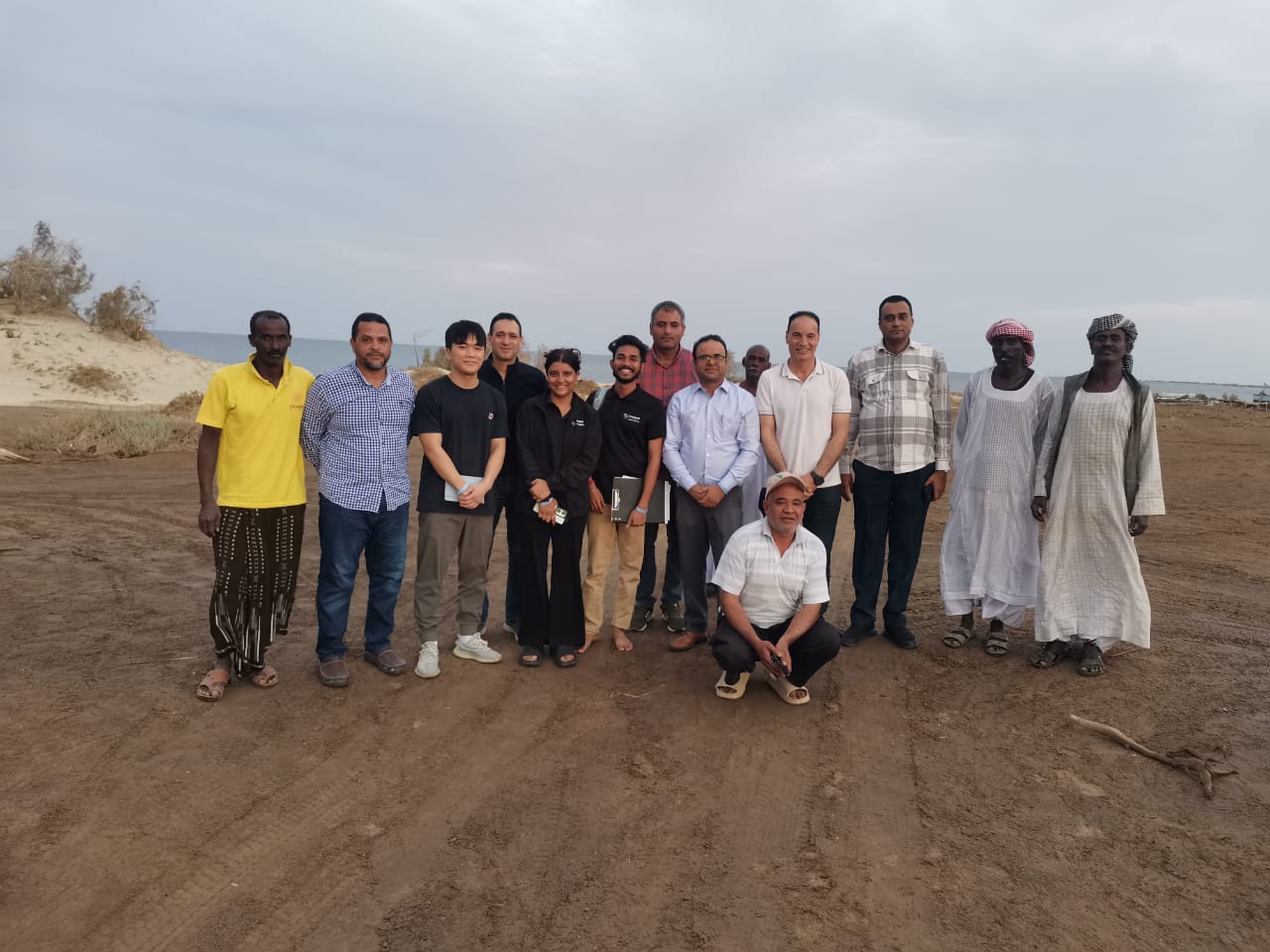
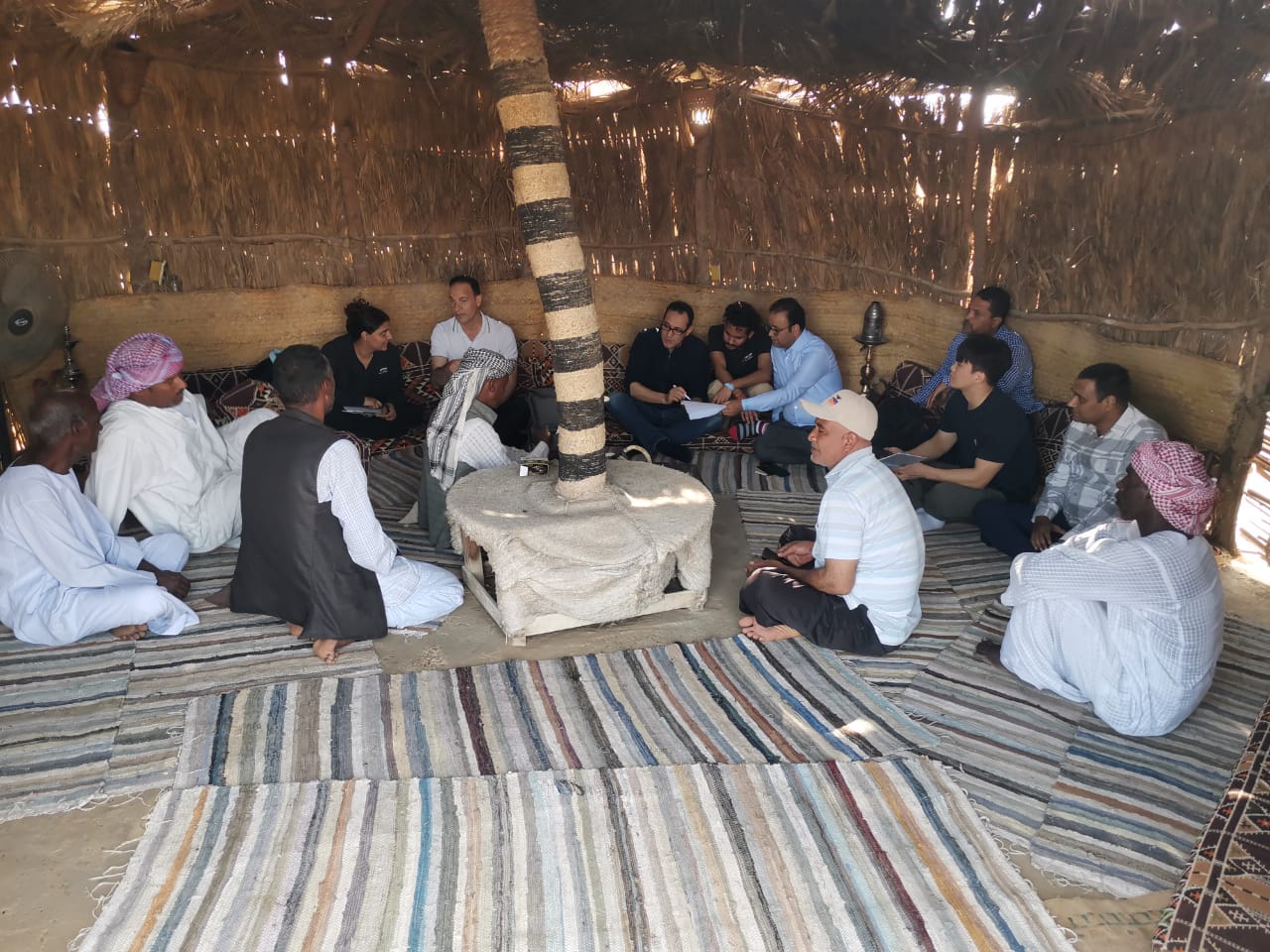

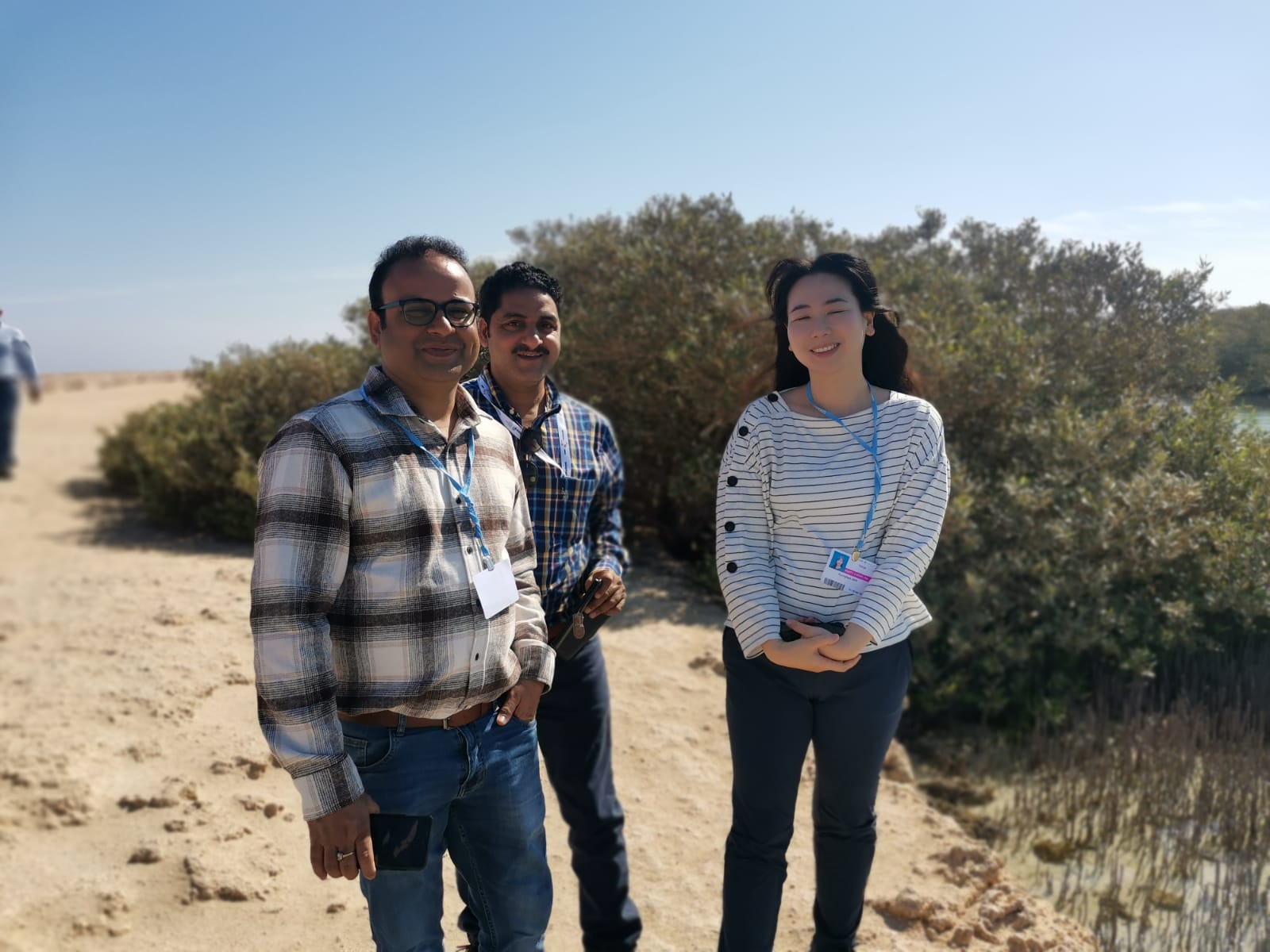


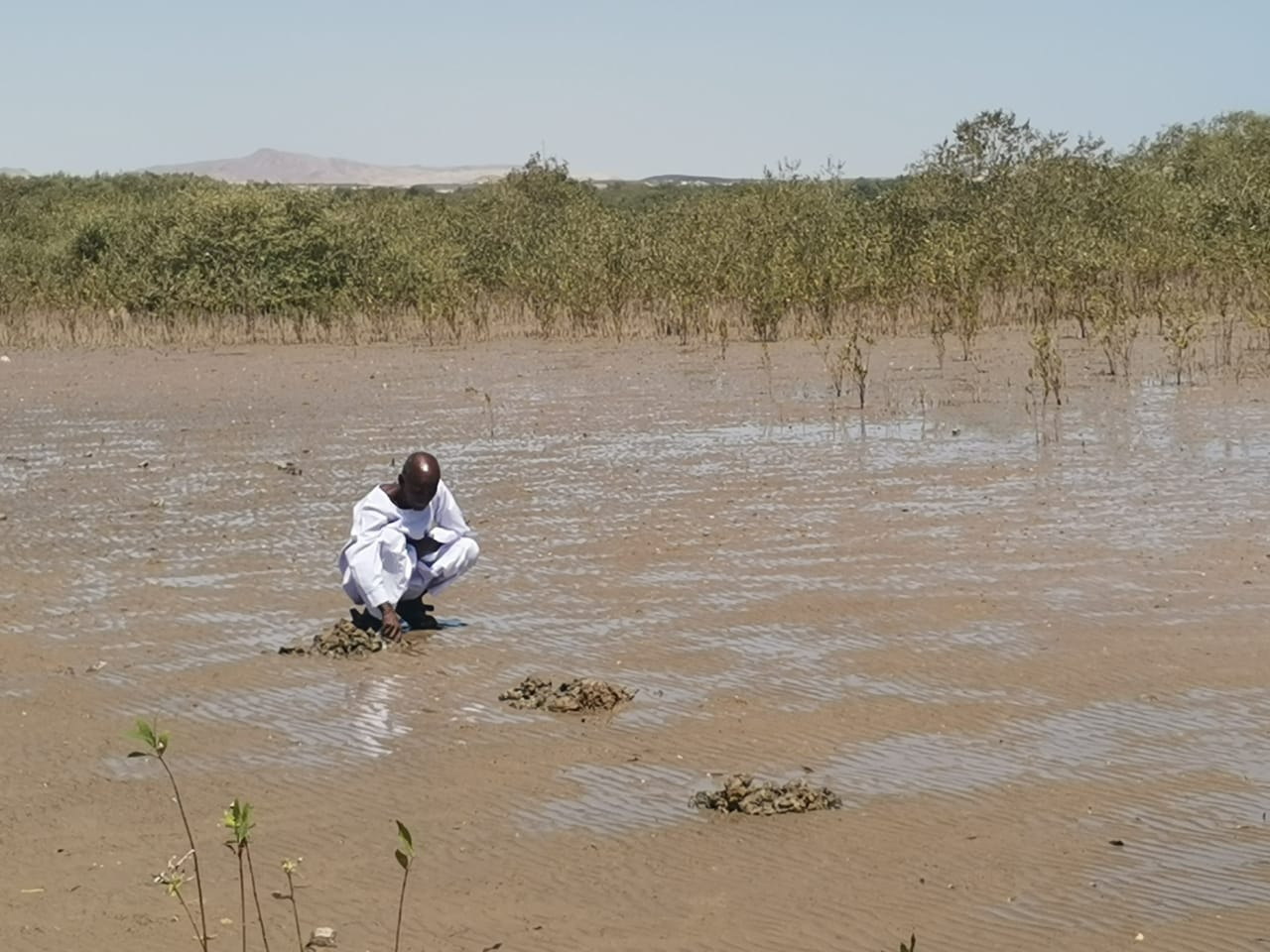
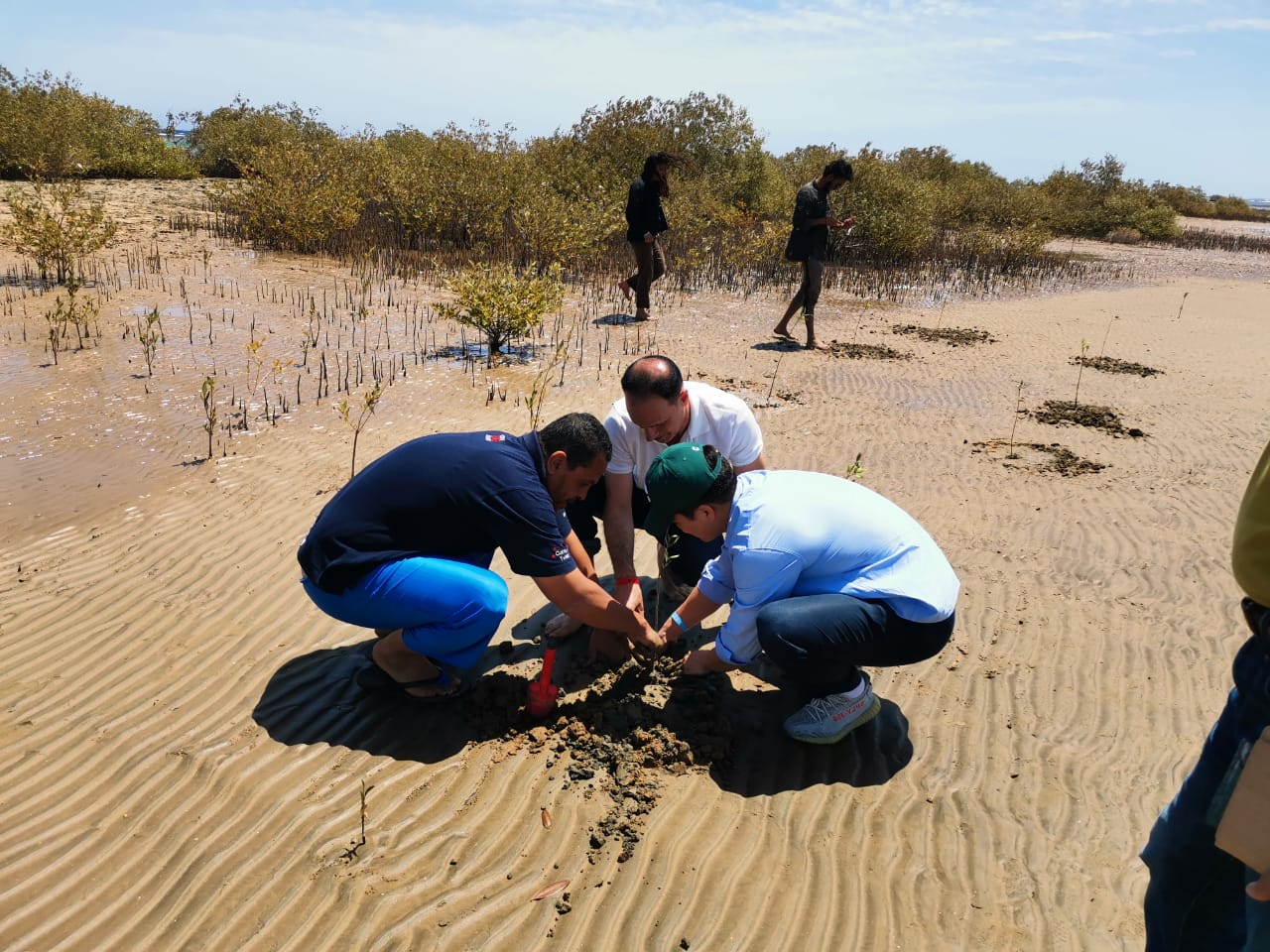
Project rationale and implementation thinking
Mangrove systems are critical natural assets in climate and resilience planning. Their restoration can create layered value across mitigation, adaptation, coastal protection, biodiversity, and community-linked ecological security. A well-structured mangrove initiative can therefore move beyond plantation thinking and become a stronger landscape-based intervention with measurable environmental and institutional relevance.
For NatWorks, the importance of such a project lies in combining restoration logic with strategic project architecture. This includes landscape identification, stakeholder alignment, implementation pathways, long-term maintenance thinking, and the framing of carbon and climate-finance relevance where appropriate. The goal is not just ecological recovery, but the creation of a credible and scalable project model that can engage partners seriously.
Depending on geography and project maturity, the initiative may be linked to broader blue economy, coastal adaptation, carbon market readiness, or restoration-finance conversations. This makes the project useful not only from an environmental perspective but from a strategic advisory perspective as well.
Discuss the Mangrove Restoration project with NatWorks.
For partnerships, project structuring, restoration strategy, or climate-aligned implementation conversations, connect with NatWorks to take the discussion forward.